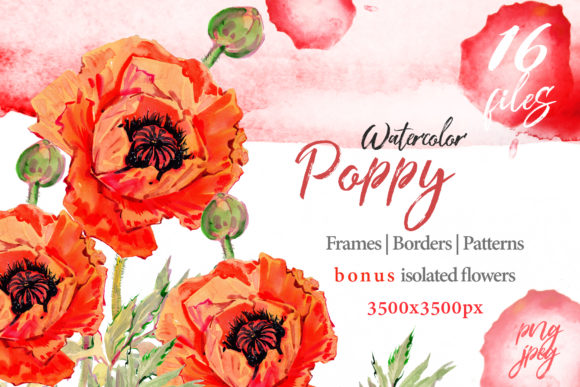
Watercolor Red Poppy Set: A Designer Review
As a designer who has spent years translating digital art into tangible thread, I approach every new machine embroidery design with a mix of excitement and skepticism. The gap between a beautiful screen image and a flawless stitched finish is often where projects succeed or fail. When I first opened the Watercolor Red Poppy Set, my immediate reaction was to assess its potential for real-world application. This collection falls squarely within the Illustrations category, promising that soft, bleeding edge aesthetic we love in watercolor paintings but often struggle to replicate in thread. Before I commit this file to a client project or a small shop product line, I need to know exactly how it behaves under the needle.
The Visual Mood and Design Intent
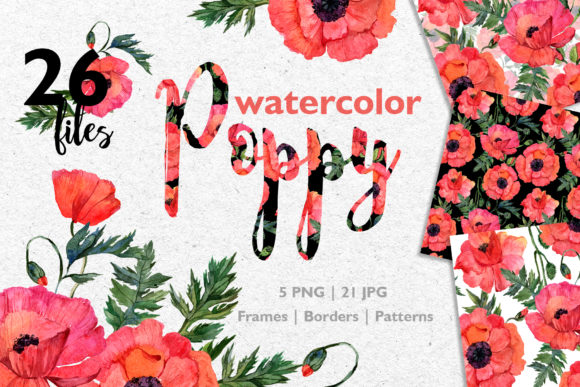
The first thing that strikes you about the Watercolor Red Poppy Set is its delicate balance between structure and fluidity. Unlike rigid vector graphics, these poppies are designed to mimic the organic spread of pigment on paper. In an embroidery context, this suggests a heavy reliance on gradient fill stitches and perhaps some creative use of running stitch to create texture without overwhelming density. For a craft business owner looking to elevate their brand, this visual personality is gold. It screams "artisanal" and "handmade," which is exactly what customers want when they browse Etsy listings or local craft fair booths.
However, beauty on the screen does not guarantee beauty on fabric. The challenge with watercolor-style designs is maintaining that softness while ensuring the design holds up to wear and tear. If the stitch density is too high, the poppy will look like a solid red blob rather than a flower. If it is too low, the design may lose definition on textured fabrics. My initial assessment is that this set is best suited for medium-weight cottons, linen blends, or canvas materials where the thread can sit slightly proud without sinking into deep pile.
Real-World Application: From Screen to Stitch
Let's talk about a specific scenario. Imagine you are preparing a custom embroidered tote bag for a spring boutique launch. You want something floral but modern, not the cliché vintage roses found on every other bag. The Watercolor Red Poppy Set fits this brief perfectly. Placing a large-scale version of one of these poppies on the side of a natural canvas tote creates an instant focal point. The red thread against the beige background offers excellent contrast, making the product pop in both physical displays and printable mockups used for online marketing.
I also see strong potential for sweatshirt embroidery. A smaller cluster of these poppies on the chest pocket area of a heavyweight crewneck would add a touch of sophistication to casual wear. Because the design mimics paint, it feels less formal than traditional botanical embroidery, making it perfect for everyday apparel. For those selling baby items, a single, softer poppy could be adorable on a onesie or a nursery pillow cover, provided the thread colors are adjusted to be slightly pastel to match the gentle theme.
For the serious Etsy seller or small shop owner, this design asset opens doors for personalized gifts. Think of a holiday embroidery project where these poppies are combined with monogramming for wedding favors or anniversary gifts. The organic shape allows for flexible placement, meaning you aren't stuck with a rigid rectangular layout. Whether you are creating an embroidered patch for a denim jacket or decorating a kitchen towel, the versatility of the Watercolor Red Poppy Set makes it a valuable addition to your digital library.
Navigating Technical Challenges
While the aesthetic appeal is clear, there are practical hurdles to consider before hitting "start" on your machine. Watercolor effects rely heavily on stitch density and layering. If you attempt this design on a thin fabric like silk or a highly stretchy knit without proper support, the result could be puckering or distortion. The intricate details of the petals might get lost if the hoop size is too small to capture the full flow of the design.
Dark fabrics present another challenge. While red poppies look stunning on light backgrounds, stitching them onto black or navy material requires careful consideration of thread colors. You cannot simply use the same palette; you will likely need to lighten the reds or add white underlays to ensure visibility. Additionally, if you are working on curved surfaces like caps or hats, the organic nature of the watercolor style might distort if the stabilizer isn't applied correctly. Always test the design on scrap fabric first. Check the thread colors in person, as monitor calibration can sometimes trick you into thinking a shade will work when it actually clashes.
Another critical factor is the type of stitch used. To achieve the watercolor look, the design likely utilizes a combination of fill stitch for the base and running stitch or satin stitch for the finer edges. You must inspect the digitization to ensure there are no long jumps that could snag or leave unsightly tails. Dense stitch areas should be avoided on garments that require frequent washing, as the stiffness can cause the fabric to crack over time. If you plan to sell these as finished products, durability is just as important as initial appearance.
Professional Tips for Success
To get the most out of the Watercolor Red Poppy Set, follow these professional guidelines:
- Test First: Never skip the test run on a scrap piece of the actual fabric you intend to use. This helps you gauge tension and density.
- Stabilizer Matters: Use a high-quality stabilizer, especially for textured fabrics or dark materials, to prevent shifting and ensure clean edges.
- Check Licensing: Before selling any finished items or digital files, confirm the licensing terms. Ensure you have the right to use this commercial embroidery design for your specific business model.
- Mockup Strategy: Create both color and black-and-white mockups to see how the design translates in different contexts. This is crucial for presenting options to clients.
- Scale Appropriately: Respect the minimum and maximum dimensions recommended by the designer. Scaling too small can ruin the delicate watercolor effect.
Final Verdict for Makers and Entrepreneurs
The Watercolor Red Poppy Set is more than just a pretty picture; it is a tool for elevating your handmade product line. When executed correctly, it adds a layer of artistic depth that sets your work apart from mass-produced alternatives. It appeals to customers looking for unique, personalized items and enhances the perceived value of your custom apparel and home decor.
However, success depends on your technical execution. Do not assume the file is plug-and-play. Take the time to understand the hoop size requirements, select the right thread weights, and choose fabrics that complement the soft aesthetic. If you treat this digital embroidery file with the care it deserves, it will become a staple in your portfolio, driving engagement and trust among your buyers. Whether you are a hobbyist making gifts or a seasoned entrepreneur building a brand, this design offers a fresh, vibrant way to bring the beauty of nature into your stitching projects.