Grapes Watercolor Collection: A Designer Review
As a designer who has spent years translating digital art into tangible thread, I approach every new machine embroidery design with a mix of excitement and skepticism. The gap between a pretty image on a screen and a durable, beautiful finished product can be wide. Recently, I took the Grapes Watercolor Collection out of my digital queue to test it in a real-world scenario. My goal was simple: determine if this set of Illustrations holds up under the scrutiny of actual stitching or if it belongs solely in the realm of printable mockups.
The First Impression: Mood and Visual Personality
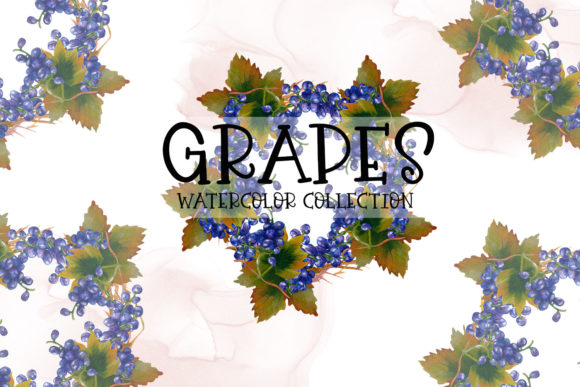
When I first opened the files for the Grapes Watercolor Collection, the immediate feeling was one of soft elegance. Unlike rigid vector graphics that often look stiff when stitched, these designs carry the organic flow of watercolor painting. The shapes are fluid, the color gradients suggest depth without being overly complex, and the overall layout feels balanced for various applications. This is not a design meant for industrial branding or bold, high-contrast signage. Instead, it screams "handmade," "boutique," and "personalized gift."
The visual personality here is gentle yet sophisticated. It suggests a project that requires care in execution but rewards the maker with a premium aesthetic. For an Etsy seller or a small shop owner looking to elevate their brand from generic to curated, this collection offers a distinct advantage. The mood it creates is perfect for seasonal decor, nursery items, or kitchen linens where a touch of nature-inspired artistry is desired.
A Real-World Test: The Custom Kitchen Towel Project
To truly evaluate the Grapes Watercolor Collection, I decided to move beyond theory and create a sample product. I chose a high-quality, natural linen kitchen towel as my canvas. This fabric choice was deliberate; linen has a texture that can sometimes interfere with fine details, making it a rigorous test for any machine embroidery design. I envisioned this towel as a holiday gift or a staple item for a craft business specializing in home goods.
After loading the embroidery file and selecting a hoop size that accommodated the full cluster of grapes, I began the stitching process. As the needle danced across the fabric, I watched closely to see how the software interpreted the watercolor effect. One of the biggest challenges with watercolor-style designs is avoiding the "muddy" look that can happen when too many colors blend in a dense area. Fortunately, the stitch density in this collection seemed well-calibrated. The fill stitch areas were open enough to let the fabric breathe, while the running stitch outlines provided just enough definition to keep the grape clusters recognizable without overpowering the soft aesthetic.
The result was a finished product that looked less like a standard machine applique design and more like a painted piece of art. The thread colors blended beautifully against the neutral linen, creating a sense of depth that would likely impress customers browsing a handmade shop. If I were selling this as a personalized gift or a boutique product, I feel confident that the visual appeal would drive buyer engagement and justify a higher price point.
Navigating Fabric and Hoop Challenges
While the results on linen were promising, my experience also highlighted where the Grapes Watercolor Collection needs careful handling. Embroidery is not a one-size-fits-all solution, and this design is no exception. When considering custom apparel, such as sweatshirt embroidery or t-shirts, you must pay close attention to the fabric texture. On heavy cotton or fleece, the softer lines might get lost if the stabilizer isn't chosen correctly. I strongly advise using a cutaway stabilizer for stretchy fabrics to prevent puckering, which could ruin the delicate look of the grapes.
Furthermore, the hoop size matters significantly. If you attempt to shrink this design to fit a very small cap or a tiny baby bib, the intricate details of the leaves and stems may become indistinct. In those cases, the running stitch might turn into a solid blob, losing the watercolor charm entirely. Similarly, on dark fabric, the light thread colors used in the original palette might require significant adjustment to ensure visibility. Always test your thread colors against your specific background before committing to a batch of commercial embroidery projects.
Another consideration is the durability of the finished product. Since watercolor effects often rely on lighter, less dense stitching, items that undergo frequent washing—like aprons or tea towels—should be pre-washed and properly stabilized. You want the embroidery to survive the wash cycle without fraying or distorting the shape of the grapes.
Practical Notes for Designers and Makers
Before integrating the Grapes Watercolor Collection into your workflow, there are several practical steps every professional should take:
- Test on Scrap Fabric: Never skip the test run. Stitch the design on a scrap piece of the exact fabric you plan to use to check for tension issues and color accuracy.
- Check Thread Contrast: Ensure the thread colors pop against your background. What looks good on a white screen might disappear on a cream-colored tote bag.
- Review Stitch Density: Inspect the digital preview for areas that might be too dense or too sparse. Adjustments in your embroidery software might be necessary depending on your machine's capabilities.
- Confirm Licensing: If you are an Etsy seller or planning to sell finished items, verify the license terms. Ensure you have the right to sell products made with this digital embroidery file.
- Use Proper Stabilizer: Whether it's tear-away for stable fabrics or cut-away for knits, the right stabilizer is the backbone of a clean finish.
Impact on Brand and Product Value
In the competitive world of handmade products and digital assets, standing out is crucial. Using a design like the Grapes Watercolor Collection can significantly boost the perceived value of your work. It signals to the customer that you prioritize quality and artistic detail over mass-produced patterns. For a craft business, this translates to stronger brand consistency and higher customer trust.
When I held the finished linen towel, the tactile quality of the stitching combined with the visual softness of the grapes created a premium feel. This is the kind of detail that turns a casual browser into a loyal customer. Whether you are creating holiday embroidery, wedding gifts, or everyday decor, the ability to offer unique, high-quality designs sets you apart from competitors relying on generic clip art.
Ultimately, the Grapes Watercolor Collection is a versatile asset for the modern maker. It bridges the gap between digital illustration and physical craftsmanship. However, its success depends on your skill as a designer. Treat it with respect, test thoroughly, and choose your materials wisely. When executed correctly, it transforms a simple piece of fabric into a cherished keepsake or a standout item in your online shop.