Clip Art Watercolor Flowers: A Designer Review
As a designer who has spent years translating digital files into tangible stitched goods, I know that the leap from a screen to fabric is where most projects succeed or fail. Today, I am evaluating Clip Art Watercolor Flowers, a set of illustrations that promises a soft, organic aesthetic for your next embroidery project. Before you download this file or commit it to a client order, let's talk about how these designs actually behave in the real world of machine embroidery.
The First Impression: Translating Softness to Stitch
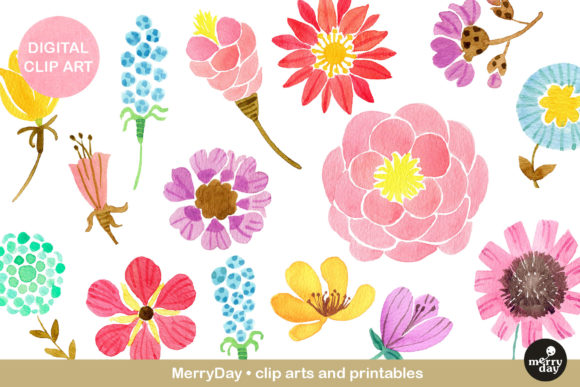
When I first opened the preview for Clip Art Watercolor Flowers, the mood was immediately clear. These are not bold, graphic blooms with hard edges; they are delicate, flowing shapes meant to mimic the bleed and texture of watercolor paint. For an Etsy seller or boutique owner looking to add a touch of whimsy to their brand, this visual personality is exactly what separates a generic product from a curated handmade item.
However, the challenge lies in the translation. In the realm of machine embroidery design, "watercolor" usually means relying heavily on fill stitch techniques to create gradients and soft edges. The layout of these flowers suggests a need for careful color blending. If you are planning to use this as a central motif on a tote bag or a pillow cover, the fluid nature of the petals could look stunning, provided the stitch density is managed correctly. Too dense, and the softness vanishes, replaced by a stiff, plastic-like blob. Too sparse, and the design may show too much of the background fabric, losing its definition.
A Real-World Scenario: The Custom Tote Bag Project
Let's walk through a practical application. Imagine you are preparing a custom embroidered tote bag for a local craft fair. You want the bag to feel artisanal, perhaps featuring a large floral arrangement on one side. You select Clip Art Watercolor Flowers because the vibe matches your brand perfectly. You load the embroidery file into your hoop, selecting a natural cotton canvas.
Here is where the rubber meets the road. As the machine starts stitching, you watch the thread colors layer over one another. Because these are illustrations designed to look like paint, the success of the finished product depends entirely on your thread selection. Using standard, glossy polyester threads might make the flower look too synthetic against the matte cotton. To truly capture the watercolor effect, you might need to consider matte rayon or even specialty threads that lack shine.
Furthermore, consider the placement. If you place this design on a curved surface, like a sweatshirt pocket or a cap, the fluid lines of the flowers might distort if the stabilizer isn't perfect. On a flat tote bag, however, the design shines. Customers browsing your shop will likely react positively to the gentle aesthetic, perceiving it as a high-quality, personalized gift rather than a mass-produced item. This kind of visual appeal directly impacts buyer engagement and can justify a higher price point for your handmade product.
Navigating Fabric Challenges and Hoop Sizes
While Clip Art Watercolor Flowers offers great potential, it requires caution in specific scenarios. Not every fabric plays nice with intricate fill patterns. If you attempt to stitch this design on thin, stretchy fabrics like jersey knit for a baby onesie, the risk of puckering increases significantly. The weight of the thread required to fill the flower shapes can pull the fabric, ruining the drape of the garment.
You must also be mindful of your hoop size. These floral arrangements often span a decent area to maintain their organic flow. If you try to shrink the design to fit a 4x4 inch hoop without adjusting the stitch count, the details may become muddy. Tiny lettering or fine veins within the leaves, which are common in detailed illustrations, can get lost or turn into unsightly knots if scaled down too aggressively. Always check the recommended dimensions before committing to a small embroidered patch or a hat logo.
Additionally, dark fabrics present a unique hurdle. Watercolor effects rely on light-to-dark transitions. Stitching a pale, airy flower on a black sweatshirt requires a significant amount of underlay and potentially a different approach to thread colors to ensure visibility. Without proper contrast, the design may disappear into the background, diminishing the value of the finished product.
Practical Notes for the Professional Maker
Before you sell a single item featuring these flowers, follow these critical steps to ensure professional results:
- Test on Scrap Fabric: Never skip the test run. Stitch the design on the exact fabric you plan to use for the final product. Check for puckering, registration issues, and how the thread sheen interacts with the material.
- Verify Stabilizer Needs: Delicate fills often require cut-away stabilizers for knits or tear-away for wovens to prevent distortion. The right support is non-negotiable for maintaining the integrity of the Illustrations.
- Review Stitch Density: Inspect the back of the test stitch. If you see excessive thread buildup, you may need to adjust the density settings in your software to prevent stiffness.
- Mockup in Black and White: Create a printable mockup to visualize the design without color bias. This helps you spot areas where the contrast might be too low for the human eye to distinguish.
- Confirm Licensing: As a commercial embroidery provider, always verify the license terms. Ensure you have the right to sell items made with this digital embroidery file or to offer it as part of a digital product bundle.
Impact on Brand Consistency and Customer Trust
Using a cohesive design asset like Clip Art Watercolor Flowers across multiple products—such as matching aprons, kitchen towels, and nursery decor—builds strong brand consistency. When customers recognize your signature style, trust grows. They begin to associate the quality of the stitching and the beauty of the design with your business name.
For the Etsy seller or small shop owner, this consistency is vital. It transforms a collection of random crafts into a recognizable brand identity. However, this only works if the execution is flawless. A poorly stitched flower with visible gaps or tangled threads can damage your reputation instantly. Conversely, a beautifully executed piece using these illustrations elevates your entire catalog, signaling professionalism and attention to detail.
Final Verdict: A Versatile Asset with Caveats
In conclusion, Clip Art Watercolor Flowers is a valuable addition to your design library, particularly for those aiming for a soft, artistic aesthetic in their custom apparel and home decor. It excels on stable, medium-weight fabrics like canvas, linen, and quilting cotton. It is less forgiving on stretchy knits or very small surfaces.
If you take the time to test your stitch density, choose the right thread colors, and respect the limitations of your equipment, these illustrations can become the centerpiece of highly profitable holiday gifts and boutique merchandise. Just remember: the magic happens not just in the file, but in how skillfully you translate it to fabric. Take the extra step to perfect your setup, and your customers will thank you with repeat business and glowing reviews.