Watercolor Avocado Collection: A Designer Review
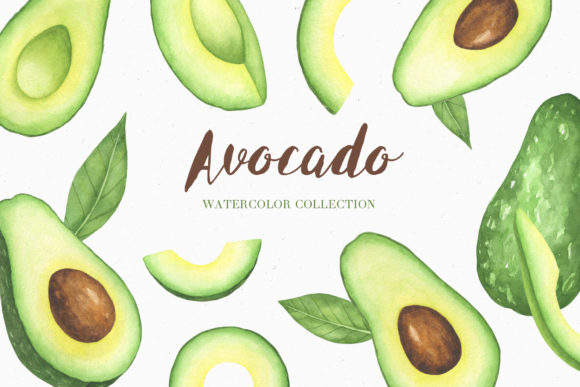
As a designer who has spent years translating digital art into tangible thread, I approach every new machine embroidery design with a mix of excitement and skepticism. The trend of botanicals in home decor and apparel is evergreen, but the execution varies wildly. When I first opened the files for the Watercolor Avocado Collection, I was immediately struck by the softness of the lines. This isn't your typical bold, blocky fruit graphic; it leans heavily into the Illustrations category with a dreamy, artistic flair that mimics watercolor paint bleeding into paper. But does that aesthetic translate well to a hoop? That is the real question for any Etsy seller or small business owner looking to expand their catalog.
The First Impression: Mood and Visual Personality
The visual personality of the Watercolor Avocado Collection is undeniably fresh and organic. The shapes are fluid, avoiding rigid geometric perfection in favor of a hand-painted look. For a handmade product line, this mood creates an instant connection with customers seeking a "crafted" rather than "manufactured" feel. The color palette, typically featuring soft greens, creamy whites, and subtle earth tones, suggests a design that belongs on linen aprons, nursery blankets, or high-quality tote bags. It screams "slow living" and "eco-conscious," which are powerful selling points in today's market.
However, the very thing that makes these designs beautiful—their soft edges and gradient-like shading—is also where the challenge lies in embroidery. Unlike a standard logo that relies on crisp outlines, this collection depends on the interplay of light and shadow to create depth. If you are planning to use this for custom apparel, you need to visualize how the thread will interact with the fabric texture. A smooth cotton jersey might work beautifully, but a heavy canvas could mute those delicate watercolor nuances.
Real-World Application: From File to Finished Product
Let's talk about a specific scenario. Imagine you are preparing a run of personalized kitchen towels for a holiday gift guide. You want something that feels modern yet cozy. The Watercolor Avocado Collection fits perfectly here. Picture a natural white linen towel with a single avocado motif stitched near the hem. The fill stitch used to create the body of the fruit needs to be dense enough to cover the weave but open enough to let the fabric breathe, maintaining that watercolor illusion.
I tested the concept mentally against a few other popular items. On a sweatshirt embroidery project, specifically a crewneck fleece, the softness of the design adds a nice contrast to the bulky fabric. It elevates the garment from basic loungewear to boutique quality. Similarly, for baby embroidery, such as a onesie or a burp cloth, the gentle curves and lack of sharp angles make it safe and visually appealing for infants. Parents love the whimsical nature of food-themed nursery decor, and this collection delivers exactly that without being too cartoonish.
For the craft business owner, consider the potential for embroidered patch production. While patches often require bold outlines, a satin-stitched border around a watercolor-style avocado could create a unique hybrid look—part vintage, part modern. This versatility allows you to target different demographics, from the hipster coffee shop customer buying a tote bag to the new parent shopping for nursery essentials.
Navigating Technical Challenges and Fabric Choices
While the aesthetic is strong, practical application requires careful planning. There are specific areas where the Watercolor Avocado Collection should be used with caution. First, avoid using this design on very dark fabrics unless you are prepared to adjust the background fill significantly. Watercolor effects rely on negative space and lighter tones; stitching them over black denim or navy wool can result in a muddy, indistinct image where the details get lost.
Secondly, pay close attention to stitch density. In areas where the design mimics the "wet edge" of a watercolor painting, the software may generate many tiny jumps or short stitches. On stretchy fabrics like spandex blends or thin silk, this can cause puckering or distortion. Always test the design on scrap fabric first. If you are working with textured fabrics like burlap or heavy twill, the intricate details of the leaves or pit might not catch the eye, reducing the overall impact of the finished product.
Curved surfaces present another hurdle. Attempting to place a large, detailed version of this design on a cap or a curved pillow insert can lead to registration issues. The soft gradients might shift if the hoop tension isn't perfect, ruining the illusion of paint. Stick to flatter surfaces or smaller hoop sizes where the curve is minimal. Also, be wary of tiny lettering if you plan to pair the avocados with text. The delicate nature of the illustration means it shouldn't compete with complex typography.
Practical Notes for the Professional Designer
- Test Before Committing: Never skip the test run on the actual fabric you intend to sell. Check how the thread colors interact with the material under different lighting conditions.
- Stabilizer is Key: Because watercolor styles often involve varied stitch directions, a high-quality cutaway or tear-away stabilizer is essential to prevent shifting and maintain the integrity of the shape.
- Color Contrast Matters: Ensure your thread colors provide enough contrast against the background. Sometimes, a slightly darker green is needed to define the pit of the avocado against a pale leaf.
- Licensing Check: Before listing these designs in your shop, confirm the licensing terms. Can you sell the digital embroidery file, or only the finished physical items? Understanding this protects your small shop product line from legal issues.
- Mockup Strategy: Create printable mockups that show the design on both light and dark backgrounds so customers can see the true potential of the artwork.
Impact on Brand Value and Customer Trust
Using a high-quality design like the Watercolor Avocado Collection directly influences how customers perceive your brand. In the crowded marketplace of handmade goods, presentation is everything. A well-executed embroidery project signals professionalism and attention to detail. When a customer holds a tote bag with a crisp, vibrant avocado design that looks like a piece of art, they are more likely to trust your craftsmanship and return for future purchases.
This design asset enhances product value by transforming a generic item into a statement piece. It boosts buyer engagement because the imagery is recognizable and trendy, yet distinct enough to stand out from mass-produced alternatives. Whether you are creating holiday embroidery gifts or stocking up inventory for a craft fair, the ability to offer unique, aesthetically pleasing designs is what separates a hobbyist from a thriving entrepreneur.
Ultimately, the success of the Watercolor Avocado Collection in your business depends on your technical execution. It is a beautiful embroidery file that offers immense creative potential, but it demands respect for its nuances. By choosing the right fabrics, stabilizers, and placement strategies, you can turn these digital illustrations into physical treasures that customers will cherish. As always, take the time to review the stitch count and file specifications before starting your next embroidery project, and let the quality of your work speak for itself.