Watercolor Fishes: A Designer's Stitch Review
As a designer who has spent years translating digital art into tangible thread, I approach every new machine embroidery design with a mix of excitement and skepticism. The gap between a beautiful screen image and a successful stitched product can be wide. Today, I am evaluating the Watercolor Fishes design to see if it holds up under the scrutiny of real-world production. This isn't just about whether the file opens correctly; it is about how this piece performs when you are preparing a custom embroidered tote bag or a boutique sweatshirt for your next Etsy listing.
The First Impression: Mood and Visual Personality
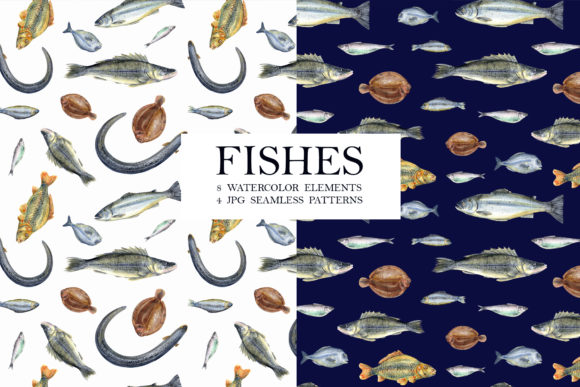
When I first loaded the embroidery file into my digitizing software, the mood was immediately clear. Watercolor Fishes belongs to the Illustrations category, but it feels softer than typical graphic assets. The visual personality suggests fluidity and organic movement, mimicking the way watercolors bleed into one another on paper. For a craft business looking to add a touch of whimsy or coastal charm to their brand, this design offers a distinct aesthetic that stands out from rigid, geometric patterns.
The layout appears balanced, with fish swimming in a natural flow rather than a static line. This dynamic composition is crucial for custom apparel because it guides the eye across the garment. However, the "watercolor" effect in embroidery relies heavily on how the stitch density is managed. If the design uses too much fill stitch to create solid blocks of color, it risks losing that airy, painted feel. Conversely, if it relies too heavily on running stitch, it might lack the opacity needed to pop against a white t-shirt. My initial assessment is that this design works best where texture is celebrated, not hidden.
Real-World Application: From Tote Bags to Nursery Decor
Let's talk about a specific scenario. Imagine you are a small shop owner preparing a batch of canvas tote bags for a summer market. You need a tote bag design that looks professional but handmade. Watercolor Fishes fits this perfectly. On a natural cotton canvas, the slight variations in thread tension can actually enhance the watercolor illusion, making each bag feel unique. The organic shapes would drape well over the fabric without creating a stiff, plastic-like patch effect.
Consider also the realm of baby embroidery. Parents love soft, nature-inspired themes for nursery decor. Placing this design on a pillow cover or a lightweight blanket could create a serene focal point. The key here is the hoop size. Because watercolor effects often require gradients or layered colors, the design likely needs a medium-to-large hoop to allow the stitches to breathe. Trying to cram this into a 4x4 inch hoop might result in a muddy look where the individual fish lose their definition. For a sweatshirt embroidery project, such as a crewneck for a beach-themed boutique, the design adds a layer of sophistication that simple logos cannot achieve.
Commercial Viability and Brand Consistency
For the Etsy seller or digital product seller, consistency is currency. If you use Watercolor Fishes across multiple products—perhaps on an apron, a tea towel, and a cap—it creates a cohesive collection. This helps build brand consistency and increases buyer engagement. Customers recognize the style and return for more. However, you must ensure the thread colors match your brand palette. A watercolor design is forgiving, but using neon threads instead of muted pastels will clash with the intended artistic vibe.
This design also has potential as an embroidered patch. Patches are popular for holiday gifts and personalized items. If the digitization allows for a clean satin border, the patch could be sewn onto denim jackets or backpacks, offering a durable yet artistic accessory. The finished product value increases significantly when the design elevates a basic item into something collectible.
Navigating Challenges: Where Caution is Required
While Watercolor Fishes is versatile, it is not a magic bullet for every situation. There are specific contexts where this design requires careful handling. First, avoid using it on highly textured fabrics like heavy wool or thick fleece unless you are experienced with stabilizers. The intricate details of the fish fins and scales can get lost in the weave of the fabric, leading to a fuzzy appearance that lacks the crispness customers expect.
Thin fabric presents another challenge. Watercolor styles often involve lighter stitch counts to maintain transparency. On a sheer blouse or a thin cotton shirt, the backside of the stitching might show through, or the fabric might pucker around the denser areas. Always test the design on scrap fabric first. Check the stitch density by holding the sample up to the light. If you can see gaps, you may need to adjust the backing or choose a different fabric weight.
Dark fabrics require special attention. The "watercolor" look usually relies on lighter tones blending together. On a black hoodie, these light threads might appear dull or flat without proper contrast. You may need to add a layer of underlay or a satins stitch outline to make the design stand out. Additionally, curved surfaces like caps can distort the swimming motion of the fish. The fabric stretches as you hoop it, which can warp the organic lines. For caps, consider reducing the scale slightly to accommodate the curvature.
Practical Notes for the Professional Maker
Before you commit to selling items featuring Watercolor Fishes, run through this checklist to ensure quality:
- Test on Scrap Fabric: Never skip this step. Embroider the design on the exact material you plan to sell. Check for puckering, skipped stitches, or thread breaks.
- Verify Licensing: As a commercial embroidery user, confirm that your license allows you to sell finished goods. Some digital embroidery files have restrictions on resale quantities or product types.
- Check Thread Contrast: Ensure the thread colors provide enough contrast against the background fabric. What looks great on a white mockup might disappear on beige linen.
- Inspect Small Details: Zoom in on the eyes and fins of the fish. Are they defined? If the embroidery project involves tiny lettering alongside the fish, ensure the text remains legible after stitching.
- Use Proper Stabilizer: The right stabilizer is non-negotiable for maintaining the integrity of delicate designs. Tear-away might work for stable fabrics, but cut-away is better for stretchy materials like jersey.
- Mockup Testing: Create both black and white printable mockups to visualize how the design translates before you spend hours stitching.
Final Thoughts on Design Value
In the crowded marketplace of handmade goods, the difference between a generic item and a premium product often comes down to the choice of design assets. Watercolor Fishes offers a unique opportunity to inject artistry into functional items. It bridges the gap between a simple applique design and high-end illustration. When executed correctly, it enhances the perceived value of your handmade product and builds trust with your customers.
Whether you are decorating a kitchen towel for a housewarming gift or creating a limited-run collection for your online store, this design invites creativity. It challenges you to think about texture, color blending, and fabric interaction. By respecting the limitations of the medium and testing thoroughly, you can turn Watercolor Fishes into a signature element of your brand. Remember, the goal is not just to stitch a pattern, but to create an experience that resonates with the person wearing or using it.