Watercolor Chubby Cats: A Designer's Review
As a designer who has spent years translating digital art into tangible stitched goods, I approach every new machine embroidery design with a mix of excitement and skepticism. The market is flooded with generic assets, but occasionally, a file arrives that feels like it was made for the specific needs of a craft business or a serious hobbyist. Watercolor Chubby Cats falls into that rare category. It is not just another illustration; it is a mood piece that demands a specific approach to execution if you want your finished product to sing rather than just sit on a shelf.
The First Impression: Softness Meets Structure
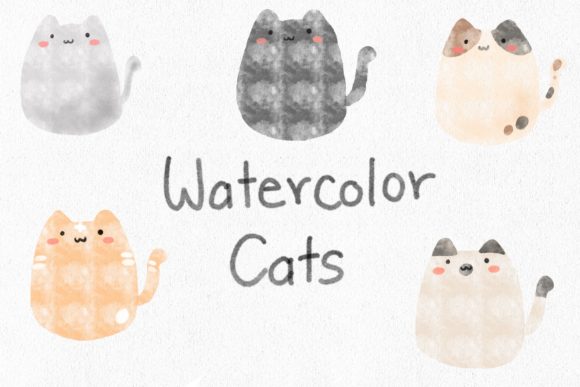
When I first opened the Illustrations folder containing this set, the visual personality was immediate. These are not realistic felines; they are stylized, rounded, and undeniably cute. The watercolor aesthetic in the preview suggests soft edges and blended tones, which is a fascinating challenge for any embroidery project. In the world of stitching, "watercolor" usually implies a need for clever use of fill stitch gradients or perhaps a combination of satin stitch and running stitch to mimic that painterly look without creating a muddy mess of thread.
The layout of the chubby cats is compact yet expressive. They have a roundness that naturally translates well to circular hoops or square placements on apparel. However, the charm lies in the detail level. There is enough definition to make them recognizable as cats, but the lines are loose enough to forgive minor registration issues that often plague complex designs. For an Etsy seller or boutique owner looking to add a touch of whimsy to their inventory, this design offers a high degree of visual appeal without requiring the precision of a portrait.
Real-World Application: From Hoop to Home
To truly understand the value of Watercolor Chubby Cats, I visualize a specific scenario: preparing a custom embroidered tote bag for a local craft fair. Tote bags are a staple for small shop products, but they require designs that can withstand frequent washing and heavy use. I imagine placing one of these chubby cats on a natural canvas tote. The organic texture of the canvas would complement the watercolor style beautifully. The rounded shapes of the cats would drape slightly over the fabric weave, adding a tactile dimension that flat digital prints cannot achieve.
Now, shift that mental image to a baby item. Baby embroidery is a massive sector for handmade gifts. Parents love soft, non-threatening imagery. A onesie or a nursery pillow cover featuring these cats would likely be a bestseller. The "chubby" aspect appeals to the desire for comfort and warmth. If I were creating a holiday gift line, perhaps a set of kitchen towels or aprons, the playful nature of the design would elevate a standard utility item into a conversation starter. The key here is how the design interacts with the garment. On a sweatshirt, the density of the stitches needs to be managed so the fabric doesn't pucker, maintaining that soft, cuddly vibe of the cat itself.
Navigating Technical Challenges
While the concept is sound, every experienced designer knows that the devil is in the details. Using Watercolor Chubby Cats requires careful consideration of your materials. First, consider the hoop size. While the design looks manageable, always confirm the actual dimensions against your hoop before committing to a premium fabric. If the design is too large for a small cap or a curved surface, the distortion will ruin the watercolor illusion.
Fabric choice is equally critical. This design thrives on stable surfaces. If you attempt to embroider this on thin, stretchy fabric like jersey knit without the proper stabilizer, the result will be disappointing. The watercolor effect relies on clean edges; if the fabric shifts during stitching, those soft blends turn into jagged lines. Similarly, dark fabrics present a challenge. Watercolor styles often rely on light, airy colors. Embroidering light threads on black fabric can lead to poor visibility unless you use a backing or adjust the thread colors significantly. Always test the design on scrap fabric first to check thread color contrast and stitch density.
Where Caution Is Required
- Textured Fabrics: Heavy textures like corduroy or thick wool might obscure the delicate details of the watercolor style.
- Small Areas: Do not scale this down too much for tiny patches or keychains. The "chubby" features may merge together, losing the character of the cat.
- Curved Surfaces: Caps and sleeves require careful placement to ensure the design sits flat and does not distort when the fabric stretches.
- Dense Stitch Areas: Be wary of overlapping fill stitches, which can cause puckering on lightweight items like tea towels.
Impact on Brand and Customer Trust
For a creative entrepreneur, the quality of your design assets directly impacts your brand consistency. Watercolor Chubby Cats offers a professional look that signals care and attention to detail. When a customer receives a personalized gift or a custom apparel item with this embroidery, they are buying into the craftsmanship. A poorly executed design with tangled threads or uneven fills destroys buyer engagement. Conversely, a well-stitched version of this design enhances the perceived value of the finished product.
This design also works exceptionally well for printable mockups. Before investing in physical production, you can create digital previews to showcase how the design looks on various items. This helps in building trust with potential buyers on platforms like Etsy. Showing a high-quality mockup of a tote bag or a hoodie with these cats allows customers to visualize the final outcome, increasing the likelihood of a sale.
Practical Notes for the Designer
If you decide to incorporate Watercolor Chubby Cats into your workflow, follow these practical steps to ensure success. First, review the stitch count and density. High-density areas might require a tear-away stabilizer to prevent puckering, while lighter areas might benefit from a cut-away stabilizer for longevity. Check whether the design works for both personal and commercial projects by reviewing the licensing terms carefully. Many digital embroidery files have restrictions on selling the finished goods versus selling the file itself.
Test the design in black and white mockups to see if the contrast holds up before you commit to expensive thread colors. Compare how the design looks on light versus dark fabric backgrounds to determine if you need to adjust the palette. Remember, the goal is to capture the essence of the watercolor illustration in thread. Use satin stitch for outlines to define the shape and fill stitch for the body, varying the tension to mimic the softness of paint.
Final Verdict
Watercolor Chubby Cats is a versatile asset for anyone looking to add charm to their embroidery portfolio. Whether you are making holiday embroidery, creating custom apparel, or stocking your small shop product line, this design offers a fresh take on a classic theme. It rewards the designer who takes the time to prepare properly but punishes haste. With the right stabilizer, fabric choice, and attention to detail, this machine embroidery design can transform simple textiles into cherished handmade products. It is a reminder that in our craft, the magic lies not just in the pattern, but in the execution.