Tropical Leaves Watercolor Clipart Review
As a designer who has spent years translating digital art into tangible thread, I approach every new asset with a critical eye. When I first opened the file for Tropical Leaves Watercolor Clipart, my immediate reaction was one of aesthetic appreciation followed by a practical assessment of its translation from screen to fabric. This piece sits comfortably within the Illustrations category, offering a soft, organic vibe that is currently trending in home decor and lifestyle apparel. However, the jump from a watercolor digital image to a physical machine embroidery design requires careful consideration of stitch types, density, and fabric interaction.
The First Impression: Mood and Visual Personality
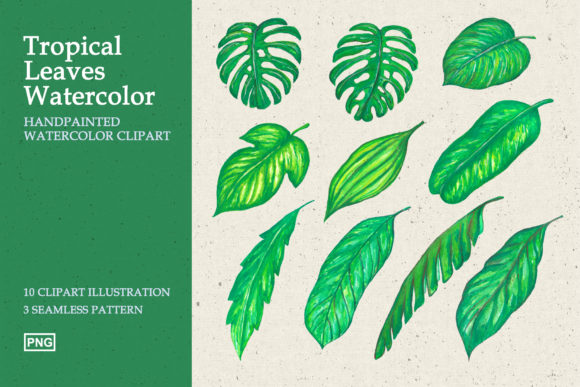
The visual language of Tropical Leaves Watercolor Clipart is inherently fluid. Unlike sharp, geometric botanicals, this design relies on soft edges, gradient transitions, and overlapping layers to mimic the look of wet paint on paper. In a digital context, this is stunning. In an embroidery context, it presents a unique challenge. The "watercolor" effect suggests a need for varied fill stitch patterns to create texture rather than solid blocks of color. If you are planning to use this as a tote bag design or a statement piece on a linen pillow cover, the mood it sets is relaxed, summery, and artisanal. It screams "boutique quality," which is exactly what many Etsy sellers and small shop owners are aiming for when curating their inventory.
However, the softness of the watercolor style means that the definition of the leaves can get lost if the stitch density is too high or if the thread colors do not have enough contrast against the background. The design feels like it belongs on natural fibers—cotton, linen, or canvas—where the texture of the fabric complements the organic nature of the leaves. Placing this on a stiff, synthetic material might clash with the gentle personality of the artwork.
Real-World Application: From File to Finished Product
Let's walk through a realistic scenario. Imagine you are preparing a collection of custom sweatshirt embroidery for a local boutique. You want to place Tropical Leaves Watercolor Clipart on the back pocket area of a heather grey hoodie. This is a prime use case because the heather grey provides a neutral backdrop that allows the greens and teals of the leaves to pop without needing a heavy underlay. The curved surface of the pocket also adds a dynamic element to the organic shapes of the leaves.
In this application, the key is how the software digitizes the gradients. A good embroidery file will break down the watercolor washes into multiple layers of satin or fill stitches, changing direction slightly to mimic brush strokes. If you are using this for custom apparel, consider the placement carefully. On a flat surface like a tote bag, the full spread of the leaves works beautifully. On a cap, however, the curvature might distort the delicate tips of the leaves unless the design is specifically resized and adjusted for a curved hoop.
For handmade product creators, this design is excellent for creating personalized gifts. Think of a baby blanket corner or a nursery wall hanging. The soft edges make it safe and welcoming for children's items, avoiding any harsh lines. If you are selling these as holiday embroidery items, perhaps for a summer-themed party favor or a tropical wedding gift, the versatility of the leaves allows them to be paired with other elements like birds or flowers without looking cluttered.
Navigating Fabric Textures and Challenges
While the potential is high, there are specific situations where Tropical Leaves Watercolor Clipart requires caution. The watercolor style often implies fine details and subtle color shifts. On textured fabrics like heavy denim or thick fleece, these subtleties can disappear. The nap of the fabric might obscure the delicate running stitch outlines or the fine details of the leaf veins. Always test your hoop size and stabilizer choice before committing to a final run.
Dark fabrics present another hurdle. To achieve the light, airy feel of watercolor on black or navy blue, you would likely need a significant amount of white or light-colored underlay, which increases the bulk of the finished product. If you are making an embroidered patch, this bulk might make the patch stiff and uncomfortable to wear. Similarly, on stretchy fabrics like jersey knit, the tension required to hold the detailed watercolor fills can cause puckering. Using a cut-away stabilizer is non-negotiable here to maintain the integrity of the design during washing and wearing.
Strategic Advice for Designers and Business Owners
If you are a creative entrepreneur looking to integrate Tropical Leaves Watercolor Clipart into your business workflow, start with a rigorous testing phase. Never skip the step of stitching out a sample on scrap fabric. Check the thread colors against your intended material in natural light. What looks vibrant on a monitor might appear muddy once stitched due to thread sheen and fabric absorption.
Review the stitch density closely. High-density areas in a watercolor design can lead to stiffness, which is undesirable for items like tea towels or aprons that need to remain flexible. If the design feels too dense, consider reducing the stitch count or simplifying some of the gradient layers. Also, inspect the small details. Do the tips of the leaves look crisp, or do they fray? If the latter, you may need to adjust the pull compensation settings on your machine.
For those selling digital assets, ensure you understand the licensing terms. Can you sell the digital embroidery file directly, or only the finished goods? Many designers confuse these rights. If you are creating printable mockups to showcase your work, make sure the resolution is high enough to show the stitch detail. Compare the design on both light and dark backgrounds to see how versatile it truly is. A design that only works on white cotton limits your market significantly compared to one that adapts well to various tones.
Final Thoughts on Value and Appeal
Ultimately, Tropical Leaves Watercolor Clipart offers a distinct advantage for those looking to elevate their brand consistency. The artistic quality of the illustration translates into a perceived higher value for the customer. When a buyer sees a soft, painterly design executed with precision threadwork, it signals craftsmanship. This boosts customer trust and engagement, especially in competitive markets like craft fair products or online handmade shops.
Whether you are decorating a single blanket for a friend or producing a line of commercial embroidery for a retail client, the success of this project hinges on your preparation. By respecting the nuances of the watercolor style, choosing the right materials, and testing thoroughly, you can turn this digital asset into a standout physical product. The result is a piece that feels both modern and timeless, perfectly suited for the contemporary maker who values both aesthetics and functionality.