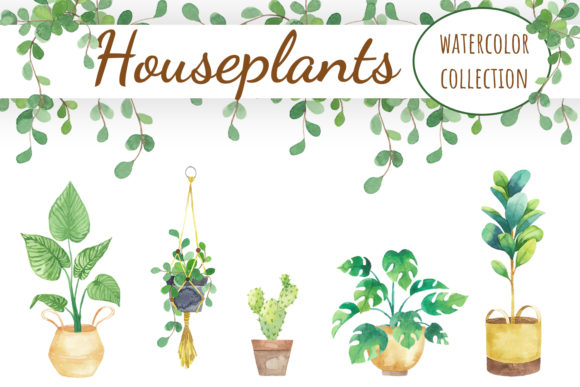
House Plants Watercolor Clipart & Illustrations
As a brand designer who has spent years refining visual identities for local businesses, I approach every new graphic design asset with a critical eye. Recently, while working on a rebranding project for a boutique urban florist and plant shop called "The Green Nook," I stumbled upon the House Plants Watercolor Clipart collection. My initial goal was to find something that could bridge the gap between their rustic roots and a more modern, premium aesthetic. The first impression of these Illustrations was immediately refreshing; they exude a soft, organic warmth that feels both handmade and professionally curated.
The mood created by this specific set is distinctly friendly yet elegant. Unlike the harsh lines of vector art or the chaotic textures of some stock photography, these watercolor washes suggest a brand personality that is nurturing, natural, and trustworthy. For a small business like "The Green Nook," this style screams "organic" without being cluttered. It fits perfectly within the handmade business sector, appealing to customers who value sustainability and artisanal quality. The colors are muted enough to feel sophisticated but vibrant enough to catch the eye on a crowded shelf or a scrolling social media feed.
Elevating Local Business Branding with Organic Textures
In the realm of small business branding, consistency is key. When I began integrating the House Plants Watercolor Clipart into the client's identity, I found it incredibly versatile. We started by testing the assets in logo design concepts. While a full logo often requires unique custom work, using a stylized element from this collection as a secondary mark or an icon worked beautifully. It provided an immediate visual anchor that communicated the nature of the business before a single word was read.
Beyond the logo, the true power of these design assets lies in their application across various touchpoints. For the florist's product line, we utilized the illustrations on product labels for their potted succulents and dried flower arrangements. The watercolor texture adds a layer of depth that flat digital graphics often lack. On a packaging design level, these images serve as excellent background elements or decorative borders. They create a cohesive look that elevates the perceived value of the product, turning a simple plastic pot into a giftable item worthy of a premium price point.
We also explored their use in promotional materials. From hang tags to thank-you cards included with orders, the House Plants Watercolor Clipart added a personal, human touch. In the world of local business marketing, these small details matter. They signal to the customer that care went into every aspect of the unboxing experience. Furthermore, for social media graphics, these illustrations are gold. They can be layered over photos of actual products to create stunning marketing visuals that stand out in a busy Instagram feed or Pinterest board.
Strategic Applications for Packaging and Print
When evaluating where this asset works best, the answer is clear: it thrives in contexts that require emotional connection and visual softness. For product mockups, placing these illustrations on packaging renders instantly communicates the final vibe to the client. They are perfect for seasonal campaign visuals, such as spring planting guides or summer garden party flyers. The fluid nature of watercolor allows them to blend seamlessly with other design elements, creating a strong visual hierarchy where the text remains legible but supported by rich imagery.
I recommend using these clipart pieces for hero graphics on websites or email headers. They act as a welcoming entry point for visitors. Additionally, they are ideal for printable design items like recipe cards for houseplant care, workshop invitations, or menu graphics if the business expands into plant-based teas or treats. The versatility extends to business cards and posters, ensuring that even the smallest physical interactions with the brand feel polished and intentional.
Navigating Limitations and Design Pitfalls
However, as any experienced designer knows, not every asset fits every situation. There are specific scenarios where the House Plants Watercolor Clipart should be used with caution. First, avoid using them in formal corporate branding contexts. If your client is a law firm or a tech startup, the organic, playful nature of watercolor may undermine the desired sense of authority and structure. Similarly, for luxury minimalist brands that rely on stark negative space and bold typography, these detailed illustrations might introduce too much visual noise.
Practical constraints also apply. On very small product labels, the intricate details of the watercolor strokes can get lost, especially if printed at low resolution. In crowded layouts, particularly those heavy with ingredient lists or legal information, these illustrations can compete with essential text, reducing readability. It is crucial to maintain high contrast between the illustration and the background; placing light watercolor plants on a white background without a border or shadow can make them disappear entirely. Always ensure the decoration supports the message rather than obscuring it.
Practical Notes for Professional Implementation
To truly leverage the potential of House Plants Watercolor Clipart, you must test it rigorously. Before committing to a final design, I always place the assets on real product mockups to see how they translate from screen to print. Check how they appear in black and white, as many businesses still use monochrome printing for cost-saving measures. Preview the designs on small labels to ensure the details hold up. Test the illustrations against your brand's color palette to ensure harmony.
Typography pairing is another critical step. These illustrations pair exceptionally well with serif fonts for a classic look, sans-serif fonts for a modern twist, or script and handwritten fonts to emphasize the handmade aspect. Avoid display fonts that are overly decorative, as they may clash with the delicate nature of the watercolor. Finally, always confirm the commercial license. Ensure you have the rights to use these digital products for client work, physical product sales, and unlimited marketing campaigns. Never assume a free download grants commercial rights.
If you are working with Canva templates or other design platforms, verify the file format. High-quality PNGs with transparency are essential for layering, while SVG files offer scalability for large-format prints like banners and signage. Compare your final designs with competitor packaging to ensure you are standing out, not blending in. By following these steps, you transform a simple graphic design asset into a cornerstone of professional branding.
Ultimately, the House Plants Watercolor Clipart offers a powerful tool for creative entrepreneurs looking to infuse their brand with life and character. Whether you are a food business owner designing a new menu, a skincare brand launching a botanical line, or a boutique store curating seasonal decor, these Illustrations provide the perfect balance of charm and professionalism. They help build customer trust, improve shelf appeal, and create a memorable brand identity that resonates with the values of today's conscious consumers.