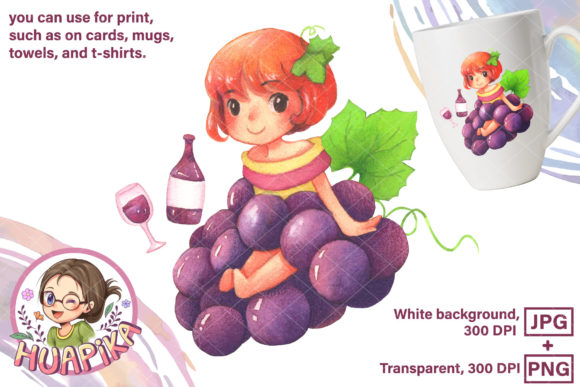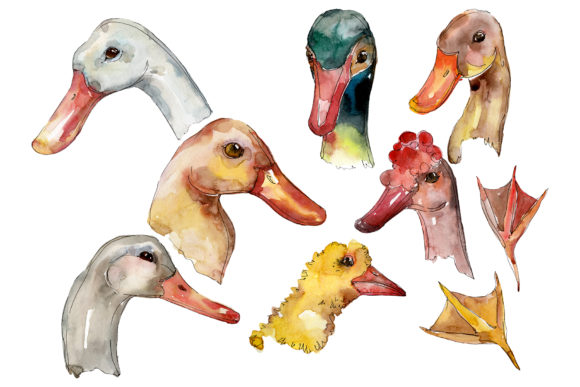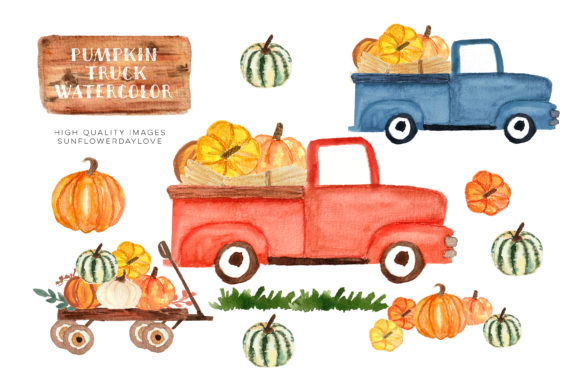
Cartoon Animals in Watercolor Vector Illustrations
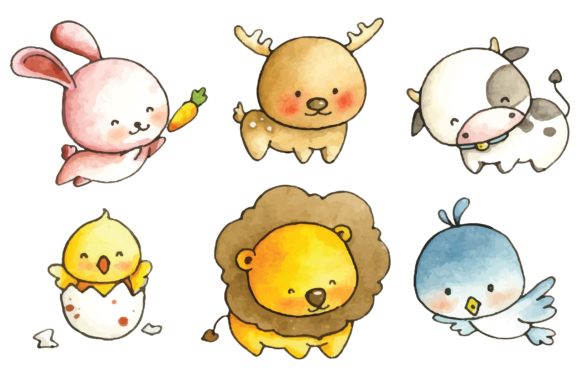
As a digital publisher who has spent years curating visual assets for high-traffic blogs and affiliate sites, I know that the first thing a reader notices is not your headline, but your imagery. When I first encountered the Cartoon Animals in Watercolor Vector collection, it immediately stood out as a versatile graphic design asset capable of elevating editorial content without overwhelming the text. This specific set of illustrations offers a unique blend of playfulness and artistic texture that feels both modern and timeless. For bloggers, newsletter creators, and small business owners looking to inject personality into their web design, this asset provides a polished look that builds immediate reader trust.
The Editorial Mood and Visual Impact
The initial impression of these watercolor-style cartoon animals is one of warmth and approachability. Unlike rigid, flat vector graphics that can sometimes feel sterile, the watercolor texture introduces an organic, hand-painted quality. This creates an editorial mood that is lifestyle-focused, educational, and inherently friendly. It naturally supports niches such as parenting blogs, early childhood education resources, pet care guides, eco-friendly product reviews, and creative workshops. The aesthetic feels less like a corporate stock photo and more like a custom illustration created specifically for your brand identity.
From a web design perspective, this style strikes a delicate balance between decorative and functional. The soft edges and blended colors of the watercolor effect soften the harsh lines of digital screens, making the content feel more inviting. For online educators and affiliate marketers, this visual tone can significantly increase click-through potential because it signals a human touch behind the content. It suggests that the writer cares about the presentation, which in turn makes the reader more likely to engage with the article or download a lead magnet.
Real-World Publishing Applications
In my workflow, I evaluate every design asset based on its versatility across different platforms. The Cartoon Animals in Watercolor Vector collection excels here. I have found these illustrations particularly effective for creating featured images for blog posts where a whimsical yet professional look is required. They work beautifully as website headers, setting the tone before a user even reads the introduction. Furthermore, when designing Pinterest pins, these assets stand out against the often cluttered feed, drawing the eye with their distinct color palettes and charming subjects.
Beyond standard blog graphics, these vectors are excellent for creating downloadable resources. Imagine using them to illustrate a digital guide for parents, a printable worksheet for teachers, or an eBook cover for a children's story. The ability to scale vector files without losing quality means they look crisp whether printed on a high-resolution flyer or displayed on a mobile screen. You can also integrate them into Canva templates for social media graphics, ensuring that your Instagram stories and Facebook ads maintain a consistent visual hierarchy and brand identity.
For newsletter creators, these illustrations serve as perfect section dividers or header accents. A small watercolor animal peeking out from the corner of a newsletter banner can make the email feel personal and crafted, rather than automated. In affiliate marketing, where trust is currency, using high-quality, original-looking illustrations helps differentiate your site from competitors relying on generic stock photos. It reinforces the idea that you are a curated authority in your niche.
Enhancing Content Performance and Branding
Visual consistency is the backbone of strong small business branding. By incorporating Cartoon Animals in Watercolor Vector into your content strategy, you create a cohesive look that readers begin to recognize instantly. This stronger visual identity improves category recognition; if your "Parenting Tips" section always features these specific watercolor styles, users will intuitively know where to find that content on your site. This clarity reduces bounce rates and encourages deeper exploration of your website.
The impact on reader trust cannot be overstated. A site filled with mismatched, low-quality clipart looks amateurish. Conversely, a site utilizing a unified set of high-end commercial design assets appears established and professional. These illustrations support better visual hierarchy by acting as focal points that guide the reader's eye through complex layouts. Whether you are building a media kit for sponsors or designing a landing page for a digital product, the polished nature of these assets ensures your message lands with impact.
Strategic Placement and Usage Guidelines
While these assets are powerful, knowing where to use them is just as important as knowing what they are. They work best as hero images on landing pages, article thumbnails in grid layouts, and as decorative elements in editorial designs. They are ideal for content upgrades, such as checklists or cheat sheets, where a bit of charm can make a dry topic more engaging. Social media previews also benefit greatly, as the vibrant watercolor tones pop against white or light gray backgrounds common in app interfaces.
However, there are scenarios where caution is advised. Avoid using these detailed illustrations as tiny mobile thumbnails where the watercolor texture might blur or become indistinguishable. They should also be used carefully in text-heavy blog images; if the background is too busy, readability suffers. Additionally, while they are perfect for lifestyle and creative niches, they may feel out of place in serious professional sectors like legal advice, finance, or corporate B2B services unless used very sparingly as subtle accents. Always test how the image looks on low-contrast backgrounds to ensure the details remain visible.
Practical Publisher Notes for Implementation
Before integrating any new graphic design asset into your publishing stack, a rigorous testing phase is essential. Start by previewing the Cartoon Animals in Watercolor Vector inside your actual blog layout. Does it clash with your existing color scheme? Test it alongside your chosen typography—try pairing it with a clean sans serif font for a modern look, or a handwritten script font to lean into the artistic vibe. Check how it performs in black and white for print versions or grayscale accessibility modes.
Web performance is another critical factor. Even though these are vector files, once exported for the web, file size matters. Compress images properly to ensure fast load times, as slow sites hurt SEO and user experience. Always review the commercial licensing terms before using these assets on monetized websites, affiliate pages, or paid content products. Ensure you have the right to use them in digital downloads and merchandise if that is part of your business model.
Finally, consider the long-term value. Investing in a high-quality set of illustrations from a reputable creative marketplace saves time and money compared to commissioning custom art for every single post. These assets become part of your permanent design library, ready to be adapted for future campaigns, seasonal promotions, or new product launches. By thoughtfully applying Cartoon Animals in Watercolor Vector, you transform your content from simple text into a compelling visual experience that resonates with your audience and drives real results.